



Boiler Water Treatment
PromagEnviro can help you determine what, why and how boiler water treatment should happen. Our knowledge and professional team is here to assist you.
PromagEnviro can help you determine what, why and how boiler water treatment should happen. Our knowledge and professional team is here to assist you.
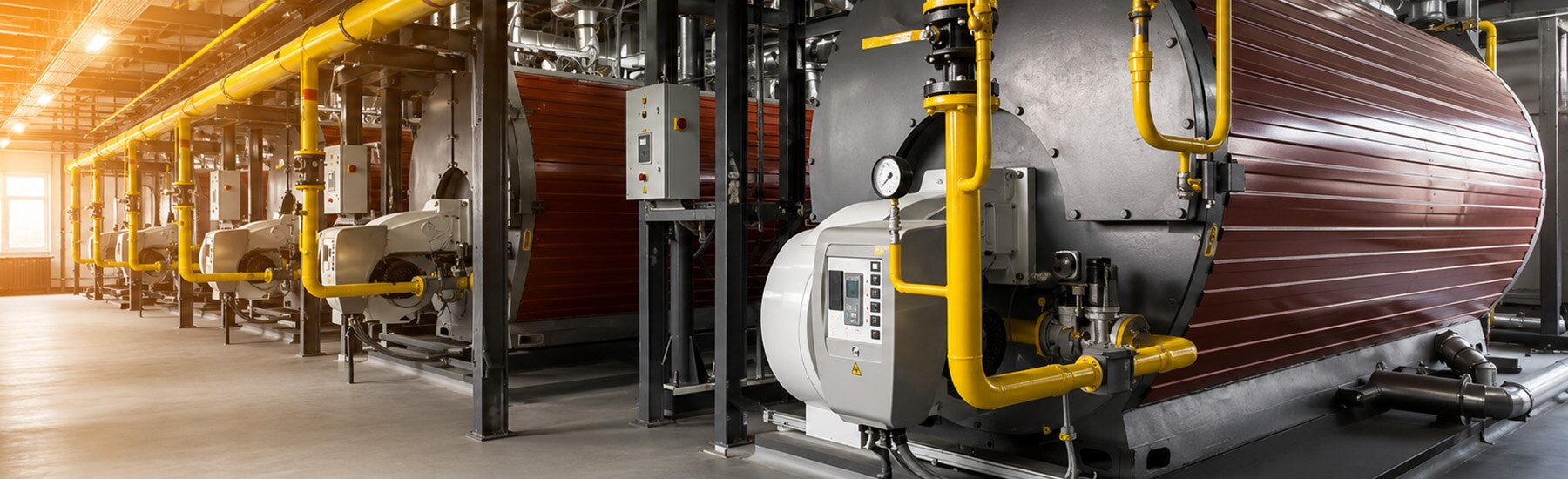
Boiler water treatment is the process of controlling the quality of water inside a boiler so it can operate safely and efficiently. When water is heated to produce steam, dissolved minerals, gases, and impurities can create problems inside the system. These contaminants can form scale on heat transfer surfaces, cause corrosion of metal components, or create sludge that interferes with normal operation. Boiler water treatment keeps the water chemistry balanced so these issues are minimized and the boiler can continue producing steam reliably.
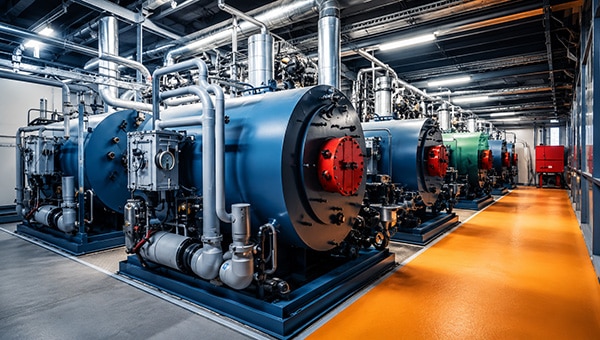 A typical boiler water treatment system uses monitoring equipment, chemical feed pumps, and automated controls to maintain proper water conditions. Sensors track important parameters such as conductivity and pH, while treatment chemicals are added to prevent scale, corrosion, and other deposits. The system may also remove a small amount of concentrated water through a process called blowdown to control dissolved solids. Together, these processes help keep internal surfaces clean, improve energy efficiency, and protect the boiler and related equipment from damage.
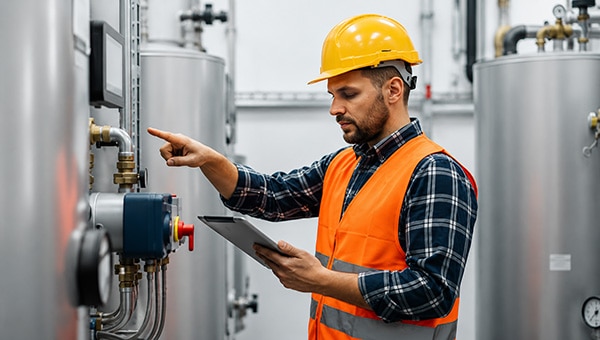 Boiler water treatment matters because boilers operate under high heat and pressure, making them very sensitive to water quality. Without proper treatment, minerals in the water can form scale on internal surfaces, reducing heat transfer and forcing the system to use more fuel. At the same time, dissolved gases like oxygen can cause corrosion that weakens metal components over time. These issues not only reduce efficiency but can also lead to equipment damage, unexpected downtime, and costly repairs.
By keeping water chemistry properly balanced, boiler water treatment helps systems run more efficiently and reliably. Clean heat transfer surfaces improve energy performance, while corrosion control protects critical equipment like boilers, piping, and heat exchangers. Treatment also helps extend the life of the system and reduces ongoing maintenance needs. Just as importantly, it supports safe operation and helps facilities meet inspection and regulatory requirements, giving operators confidence that the system is running as it should.
Internal chemical treatment is the process of adding treatment chemicals directly into the boiler water to control problems as they occur inside the system. Even after incoming water is prepared, small amounts of minerals, gases, and impurities still make their way into the boiler. These can lead to scale buildup, corrosion, or sludge if left untreated. Internal treatment works by reacting with these contaminants to prevent them from damaging equipment or interfering with normal operation.
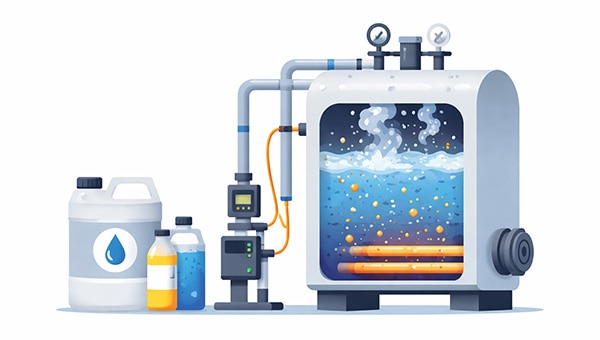 Different types of chemicals are used to handle specific issues within the boiler. Some chemicals prevent minerals from forming hard scale, while others remove oxygen to stop corrosion. Additional treatments help keep particles suspended so they can be removed through blowdown instead of settling inside the system. By continuously managing water chemistry from within, internal treatment helps keep the boiler clean, efficient, and protected over time.
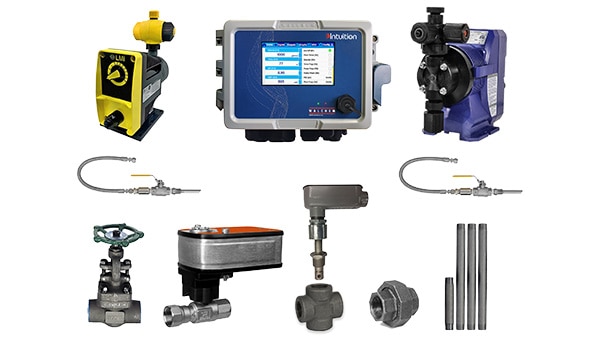 Boiler water treatment systems use a combination of chemicals and equipment to keep water clean and balanced. Common treatment chemicals include oxygen scavengers to remove oxygen and prevent corrosion, scale inhibitors to stop mineral buildup, dispersants to keep particles suspended, and alkalinity builders to maintain proper pH levels. In some systems, condensate treatment chemicals are also used to protect return lines from acidic conditions. Each chemical plays a specific role in preventing damage and keeping the system running efficiently.
To manage these treatments, a range of equipment is used to monitor and control water conditions. Sensors and controllers track key parameters like conductivity and pH, while chemical feed pumps automatically add the right amount of treatment chemicals as needed. Blowdown valves remove a portion of water to control dissolved solids, and feedwater systems help prepare incoming water before it enters the boiler. Together, this equipment works continuously to maintain stable conditions and reduce the need for manual adjustments.
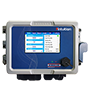
The controller monitors water quality, automates chemical dosing, and manages blowdown to protect boiler performance.

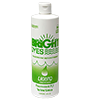
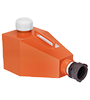
Stores and supplies treatment chemicals safely for controlled dosing into water treatment systems.

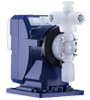
Precisely meters and injects chemicals into systems to maintain water quality and process control.

Receives treated water and generates steam or hot water for heating, processes, and energy by transferring heat efficiently.

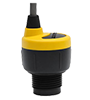
Measures electrical conductivity of water to indicate dissolved solids levels for monitoring and control purposes.

Releases concentrated boiler water to remove dissolved solids, controlling contamination and maintaining safe operation.
Water removed from a system and safely directed to drain for disposal or treatment purposes.


Automates monitoring and control of water treatment processes using sensor inputs and programmed dosing responses.
Blowdown management is the process of removing a controlled amount of water from a boiler to prevent impurities from building up inside the system. As water is heated and turned into steam, dissolved minerals and solids are left behind and become more concentrated over time. If not removed, these can cause scale, sludge, and reduced heat transfer efficiency. Blowdown keeps these levels within safe limits, protecting equipment and maintaining proper water quality for reliable operation.
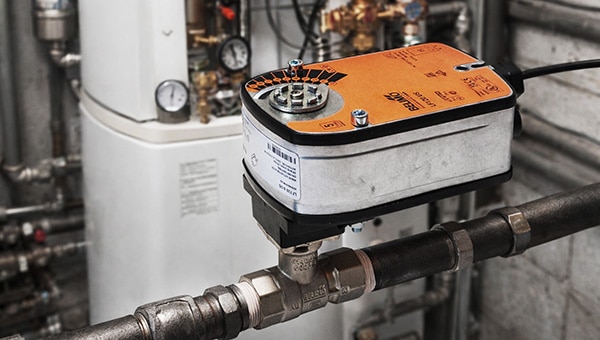 There are two main types of blowdown: surface and bottom. Surface blowdown removes a small amount of water to control dissolved solids, while bottom blowdown is done periodically to remove heavier sludge. For systems running continuously or using significant fuel, automated surface blowdown is recommended. Continuous blowdown removes a steady flow of water to maintain stable conditions, while intermittent blowdown operates on timed intervals for systems with varying demand. Properly managed blowdown improves efficiency, reduces maintenance, and helps ensure safe, consistent performance.
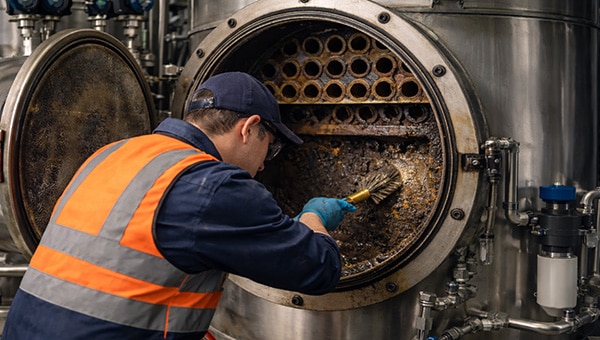 Without proper water treatment, boilers can quickly develop problems that reduce performance and damage equipment. One of the most common issues is scale buildup, where minerals form hard deposits on heat transfer surfaces. This acts like insulation, making it harder for heat to pass through and forcing the boiler to use more fuel. At the same time, untreated water can cause corrosion as oxygen and acidic conditions attack metal surfaces, weakening the system and increasing the risk of leaks or failure.
Other problems include sludge and fouling, where particles settle inside the boiler and restrict water flow or interfere with operation. As impurities continue to build up, overall efficiency drops and maintenance needs increase. These issues can lead to unplanned downtime, higher operating costs, and shortened equipment life. In severe cases, poor water quality can create unsafe conditions, making proper treatment essential for reliable and long-lasting boiler performance.
Understanding how a boiler works helps explain why water treatment is so important. At its core, a boiler heats water to create steam, which is used for heating or industrial processes. For this to happen efficiently, heat must transfer cleanly through metal surfaces into the water. As steam is produced, the remaining water becomes more concentrated with dissolved solids, which need to be controlled to prevent buildup. The steam eventually cools and condenses back into water, which is returned to the system to be reused.
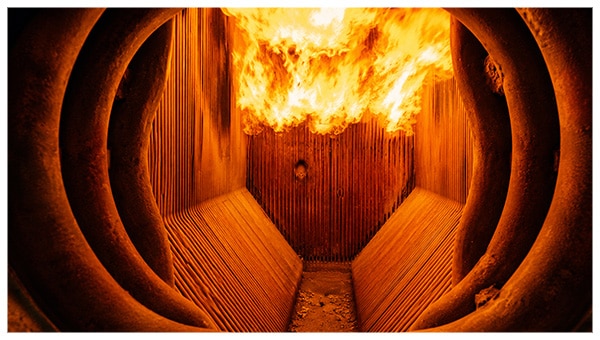 Several key processes work together to keep the system running smoothly. Makeup water is added to replace losses, while feedwater preparation removes gases like oxygen before entering the boiler. Inside the boiler, heat transfer and steam generation take place, followed by condensate return that improves efficiency by recycling water and heat. At the same time, blowdown removes concentrated impurities to maintain water quality. All of these processes are connected, and proper water treatment helps keep each part working efficiently and reliably.
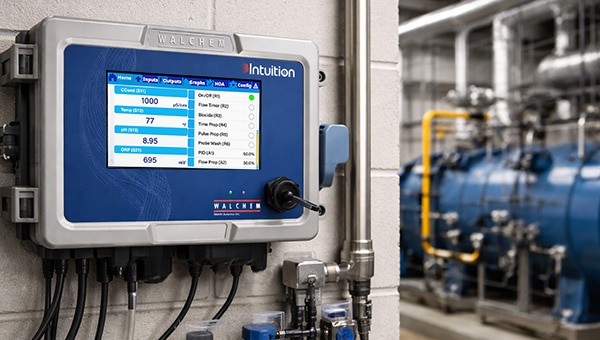 Automation and modern control systems make boiler water treatment more accurate, consistent, and easier to manage. Instead of relying on frequent manual testing and adjustments, automated systems continuously monitor water conditions and respond in real time. Sensors track key parameters like conductivity, pH, and temperature, while controllers adjust chemical feed and blowdown as needed. This helps keep water chemistry stable and reduces the risk of human error.
With built-in alarms and data tracking, operators can quickly identify changes in system performance and address issues before they become serious problems. Trend data also provides insight into how the system is operating over time, making it easier to optimize efficiency and plan maintenance. By reducing manual workload and improving response time, automation helps ensure reliable operation, lower operating costs, and better overall system performance.
|
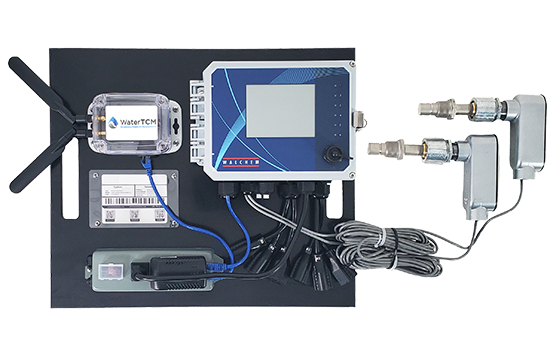
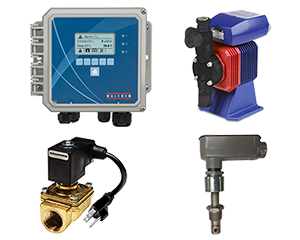
Small Boiler Injection & Monitoring
|
This system automates chemical injection and monitoring for small boilers to maintain proper water chemistry and efficiency. A chemical pump doses treatment chemicals, while conductivity monitoring tracks dissolved solids. Based on these readings, automated blowdown removes excess contaminants, reducing scaling and corrosion while improving performance and reliability.
|
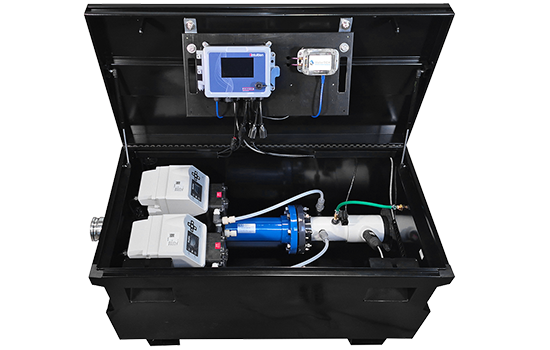
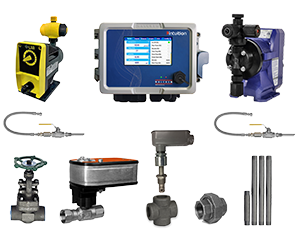
Industrial Boiler Injection & Monitoring
|
This system provides automated injection and monitoring for industrial boilers, ensuring optimal water chemistry and efficient operation. Dual chemical pumps deliver precise dosing, while conductivity monitoring tracks dissolved solids in real time. Automated blowdown removes excess contaminants, and integrated flow control maintains consistent system performance, reducing scaling, corrosion, and maintenance requirements.
|
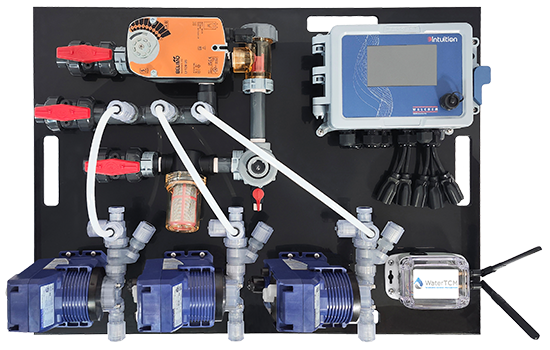
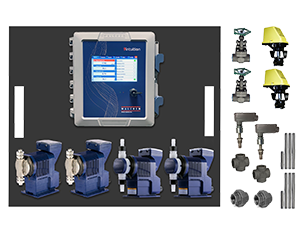
Large Industrial & Institutional Boiler Plant Injection & Monitoring
|
This system delivers advanced injection and monitoring for large industrial and institutional boiler plants, ensuring precise water chemistry control. Four chemical pumps provide accurate dosing, while dual conductivity monitoring enables real-time feedback. Dual automated blowdown and flow control systems maintain consistent operation, reducing scaling, corrosion, and downtime while maximizing efficiency and system reliability.
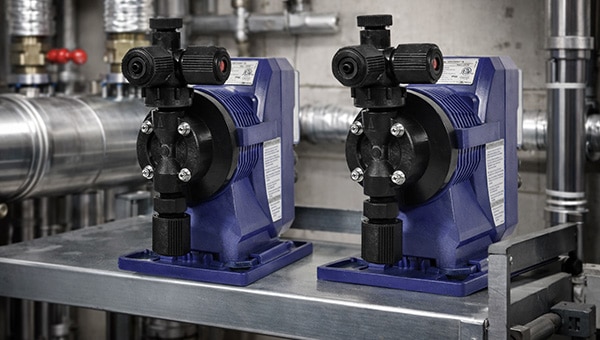
Boiler water treatment keeps minerals from building up inside the boiler. When scale forms, the boiler burns more fuel to produce the same amount of heat. Proper treatment keeps the system clean and balanced, reducing fuel use, water waste, and chemical costs while helping the boiler run more efficiently.
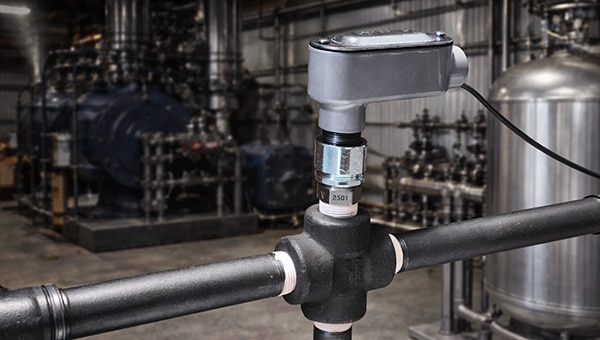
Proper boiler water treatment protects important equipment like boilers, heat exchangers, and condensate lines from damage caused by poor water quality. By keeping the water balanced, it helps equipment last longer and reduces the risk of expensive early replacements.
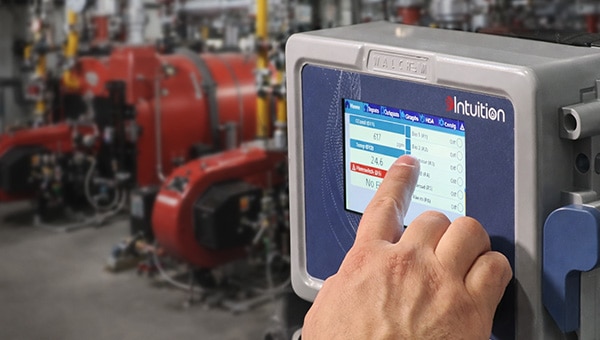
Automated boiler water treatment systems handle chemical dosing and water discharge automatically, reducing the need for constant manual testing and adjustments. Built-in alarms and data tracking help staff spot problems early, saving time and preventing small issues from turning into major failures.

Boiler water treatment keeps the inside of the boiler safe by preventing scale buildup and corrosion that can cause overheating or equipment damage. It also helps meet safety codes, inspection standards, and insurance requirements by keeping the system properly maintained and documented.
 Controllers & Accessories |
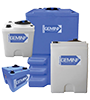
 Pumps & Accessories |
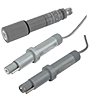
 Sensors & Probes |
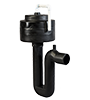
 Valves & Headers |
We supply high-quality pumps, valves, sensors, controllers,
and fittings that integrate seamlessly with your current system.
 Contact Us
Our reliable technical expertise and responsive customer care ensure continuous performance and peace of mind long after installation.